


Faroese Cuisine
A Taste of Tradition and Innovation
Faroese cuisine, the culinary tradition of the Faroe Islands, is a unique blend of ancient preservation methods, local ingredients, and contemporary influences. Situated in the North Atlantic Ocean between Iceland and Norway, the Faroe Islands boast a rugged landscape and a harsh climate, shaping a food culture deeply rooted in sustainability and resourcefulness.
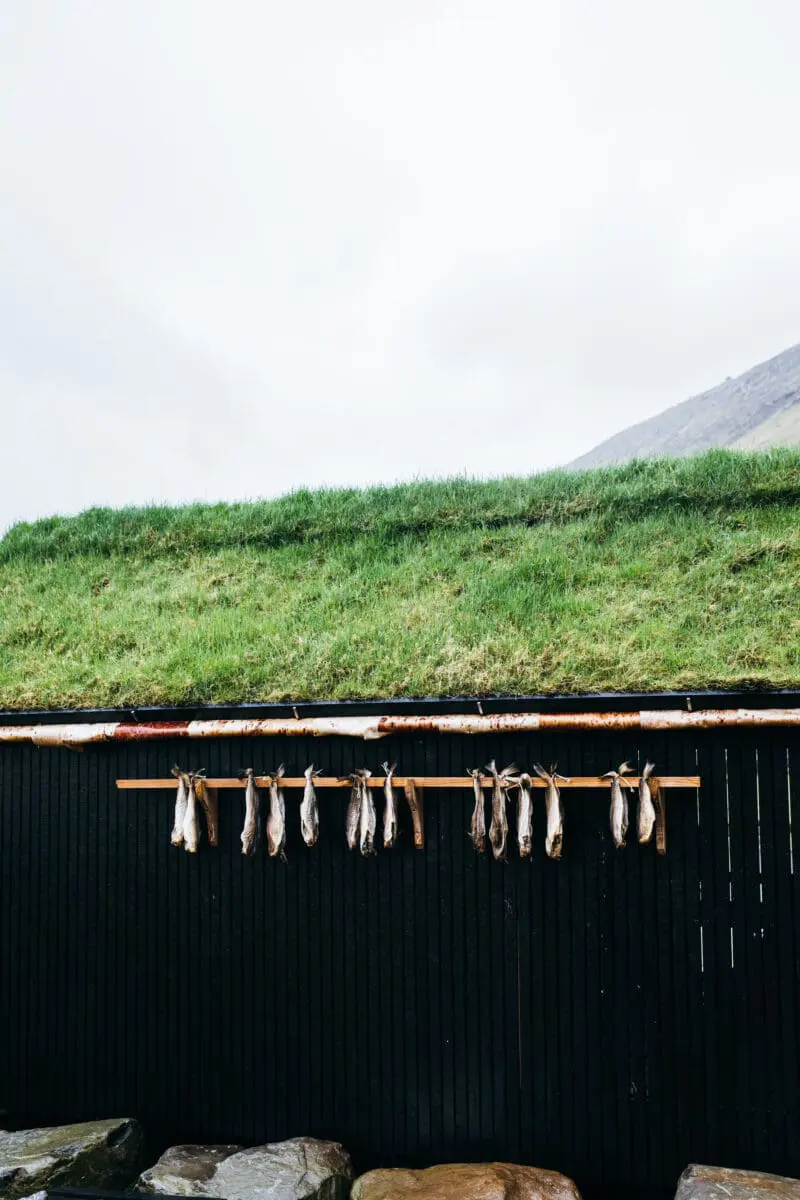
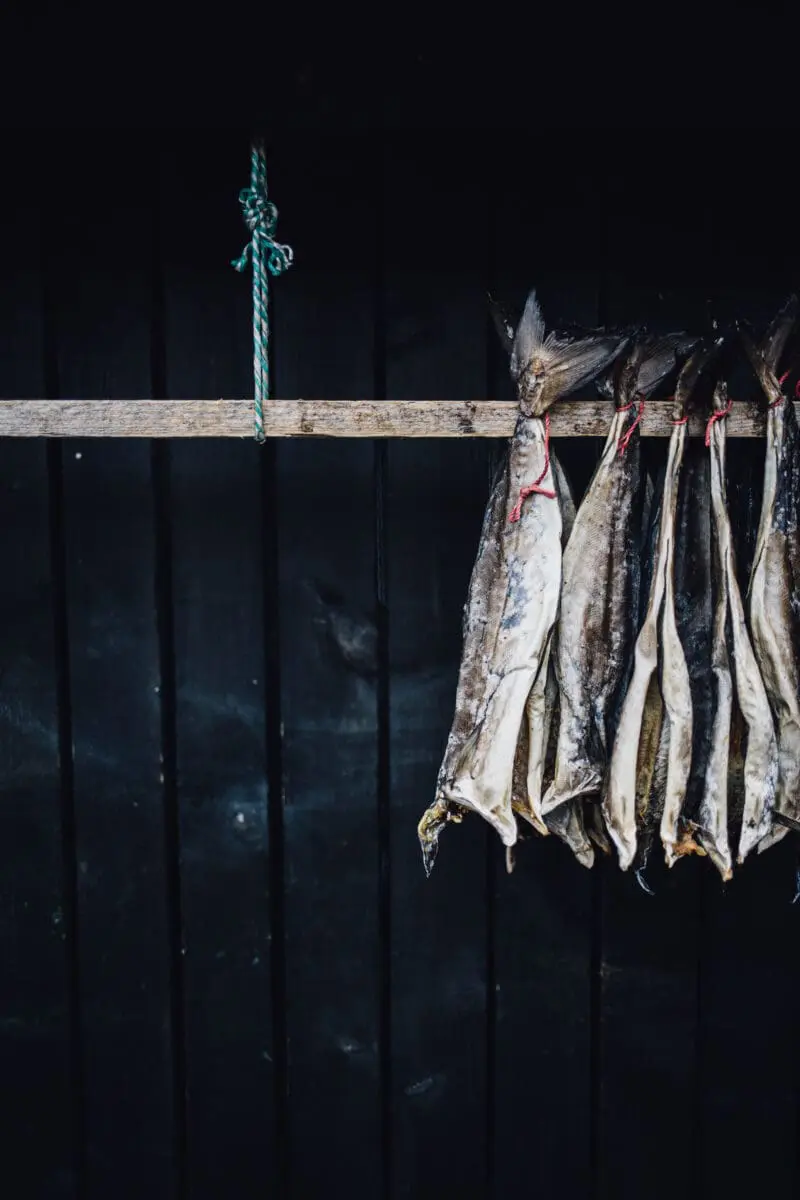
At the heart of Faroese cuisine is an abundance of seafood, reflecting the islands’ proximity to rich fishing grounds. Fish such as cod and haddock are often salted, dried, or fermented, creating distinctive flavors that are both robust and nuanced. Dishes like “ræstur fiskur” (fermented fish) and “saltfisk” (salted fish) highlight the traditional methods used to ensure food longevity.
Lamb, another staple of Faroese food, comes from the hardy sheep that graze on the islands’ windswept pastures. The meat is often prepared using time-honored techniques, including drying and fermentation, resulting in unique specialties such as “skerpikjøt” (fermented, dried mutton) and “ræst kjøt” (fermented lamb). These dishes are cherished for their deep, savory profiles and cultural significance.
Preservation techniques are essential in Faroese cuisine due to the limited availability of fresh produce. Drying, salting, and fermenting are employed to prepare fish and meat, ensuring a stable food supply throughout the year. This practice is not just about sustenance but also about tradition, with recipes and methods passed down through generations.
Faroese cuisine is primarily centered around animal products. Over the years, however, there has been a shift towards European culinary trends, leading to a significant increase in vegetable consumption and a decrease in fish consumption. Fresh and fermented lamb meat continues to be highly favored, while traditional meat products, such as various sausages, have become less popular among younger people.
While traditional foods remain a cornerstone, Faroese cuisine has also embraced contemporary culinary trends. Local chefs blend time-honoured ingredients with modern techniques, creating innovative dishes that appeal to both locals and visitors. Restaurants in the Faroe Islands showcase this fusion, offering menus that celebrate the islands’ heritage while incorporating global flavors.
In essence, Faroese cuisine is a testament to the islands’ resilience and creativity. It honours the past while welcoming the future, providing a rich and flavourful journey for anyone exploring the tastes of this unique North Atlantic archipelago.
 torsinfo@torshavn.fo
  +298 30 24 25
  Facebook
 Instagram