


In 1926, a road was built, and at Malarendi, driftwood and animal bones were discovered. In 1933, more bones were found. These belonged to sheep, cattle, dogs, seals, and birds.
A rope made of birch was also found. According to pollen analysis, a lot of birch grew in the Faroe Islands during the Viking Age.
From the book by Steffen Stumann Hansen
“På vandring i Nólsoys fortid.
Similar places
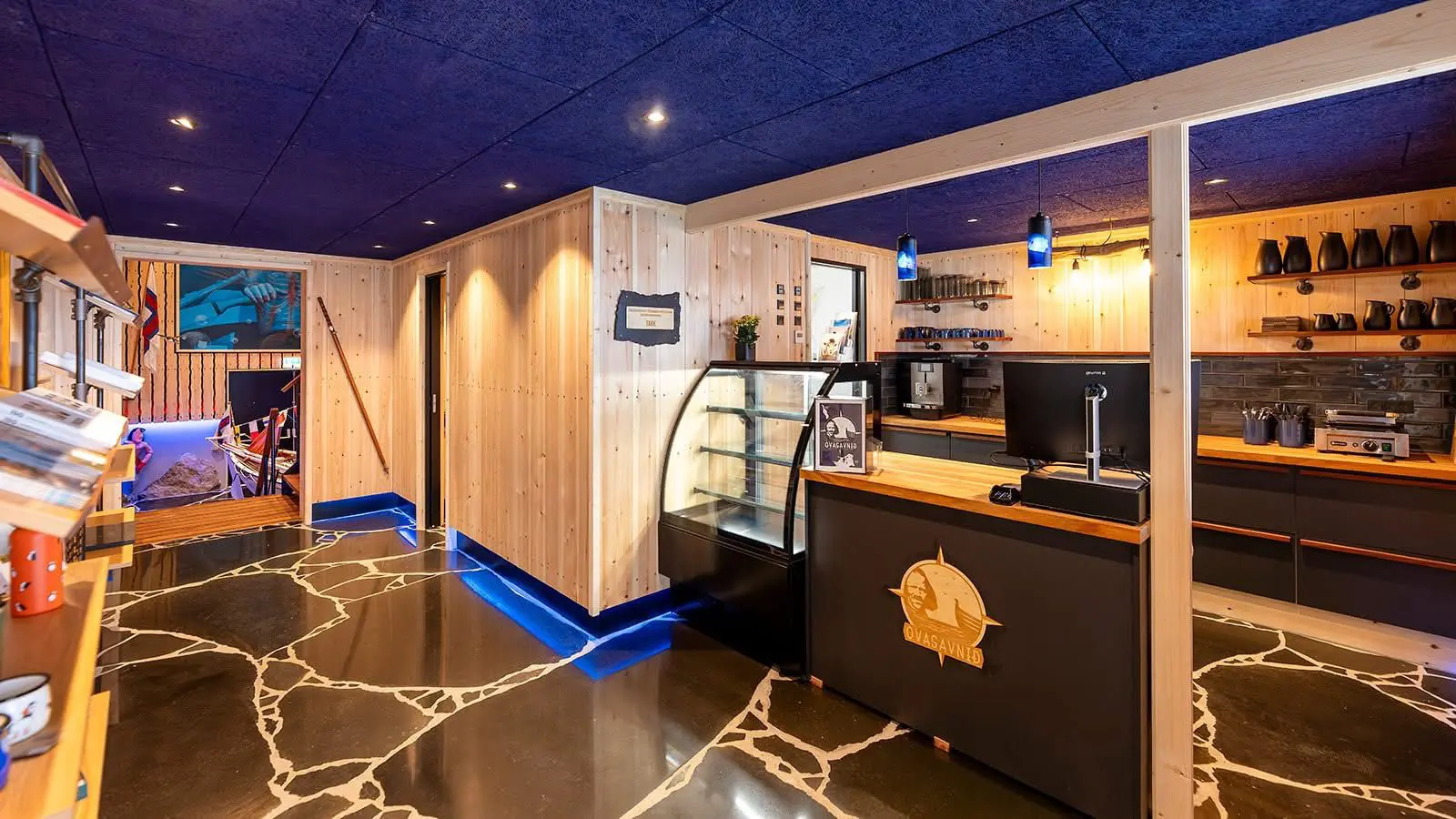
Ovasavn
Opening Spring 2025 — Ovasavnið – The Ove Museum, Nólsoy Nestled i...


Nólsoy Church
Andreas Djurhuus, who was then the Dean of the Faroe Islands, cons...


The Houses on Eiðið
On Eiðið, there are several outbuildings. The buildings are made o...


Stongin
The northern tip of Nólsoy is called Stongin. The name refers to t...

Niðasta Lon (The Lower Lon)
Niðasta Lon (The Lower Lon) was built in the 18th century. In 1951...

Uppi í Skipi
On the way up the island lies “Uppi í Skipi.” This was...

Húsini við Brunn - Village museum
Húsini við Brunn – The House by the Well – the oldest ...

Memorial stone for Nólsoyar Páll
By the preserved and restored outbuilding at Fløtti stands the mem...
 torsinfo@torshavn.fo
 +298 30 24 25
 Facebook
 Instagram


